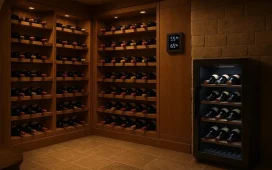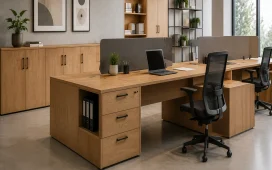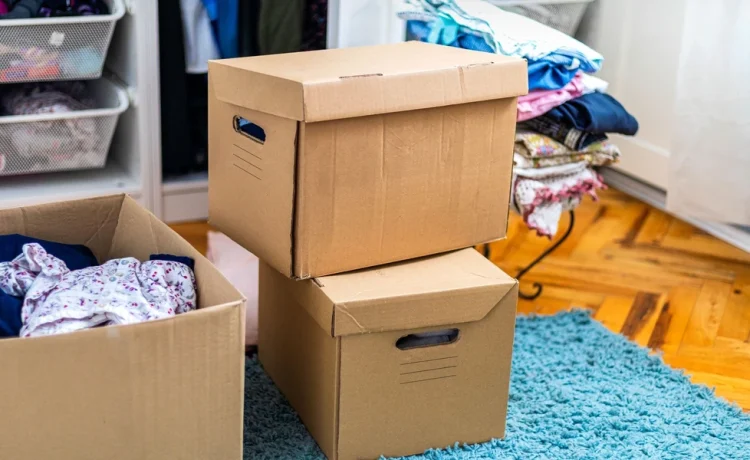
Using box storage is a convenient option for people who need extra space at home, in a condo, or at the office, especially for belongings that are not used regularly. However, before placing items into storage, it is important to check whether they are permitted. Certain items may cause damage, unpleasant odors, or safety risks and may therefore be refused by the storage provider.
1. Fresh and Perishable Food
Fresh meat, seafood, fruit, vegetables, dairy products, and other perishable food should not be placed in general box storage. Without suitable temperature and humidity control, these items can spoil quickly and develop unpleasant odors.
Spoiled food can also attract insects, rodents, and other pests, potentially affecting nearby belongings. Even packaged food should be checked carefully, especially products that require refrigeration or have a short shelf life.
2. Liquids That Could Leak or Spill
Liquids such as cooking oil, cleaning solutions, paint, and other bottled products can become a problem if their containers are damaged or improperly sealed. A small leak can spread through a box storage and damage multiple belongings at once.
For this reason, items containing liquids should be checked before storage. If a storage provider permits certain sealed liquids, they should be packed securely and kept upright to reduce the risk of leakage.
3. Flammable Materials and Hazardous Chemicals
Fuel, gas containers, certain aerosol products, strong solvents, pesticides, and other hazardous chemicals can pose serious safety risks in a shared storage environment.
These materials may be flammable, toxic, or reactive under certain conditions. Storing them incorrectly can potentially lead to fire, chemical exposure, or damage to surrounding property. Always check the provider’s prohibited-item policy before bringing any chemical product into storage.
4. Weapons and Restricted Items
Weapons, ammunition, and other restricted items should not be placed in box storage. These belongings may be subject to specific laws and regulations, as well as strict storage restrictions.
Even when an item appears harmless or is kept for collection purposes, it is important to check whether it falls under a restricted category. Customers should declare or ask about questionable items rather than assuming they are permitted.
5. Cash and Irreplaceable Documents
Cash, passports, birth certificates, title documents, contracts, and other important paperwork are generally better kept somewhere that allows the owner to access and secure them directly.
The main concern is not only physical damage but also the consequences of losing an irreplaceable document. Important records may be difficult or costly to replace, so they should be stored in a secure location that is suitable for sensitive documents.
6. Jewelry and Extremely Valuable Belongings
Jewelry, luxury watches, rare collectibles, artwork, and other high-value belongings require additional consideration before being placed in storage.
Apart from security, customers should review the provider’s insurance and liability conditions. Some storage services may have limitations on compensation for certain valuables. Understanding these terms in advance can help avoid unexpected issues if an item is lost or damaged.
7. Plants, Pets, and Other Living Things
Plants and animals require an appropriate environment, including ventilation, water, food, light, and suitable temperatures. A standard storage unit is not designed to provide these conditions.
Keeping living things inside a box storage can also create hygiene problems, moisture buildup, odors, or damage to other belongings. These items should therefore remain in environments specifically designed for their care.
8. Wet, Damp, or Recently Cleaned Items
Clothing, mattresses, carpets, wooden furniture, and other absorbent materials should be completely dry before being packed for box storage.
Moisture trapped inside a closed box or container can encourage mold growth and create a musty smell. Wooden items may also warp or deteriorate when exposed to prolonged humidity. Allowing belongings to dry completely before storage is an important step in protecting them.
9. Garbage, Food Waste, and Strong-Smelling Items
Garbage, used packaging containing food residue, waste materials, and items with persistent odors are unsuitable for general box storage.
Even when an item does not appear hazardous, its smell can spread to other belongings. Organic residue can also attract insects and pests. Cleaning and removing unwanted waste before packing can help maintain a more hygienic storage environment.
10. Items That Require Special Environmental Conditions
Some belongings may not be prohibited but can still be unsuitable for standard storage because they require specific conditions. Examples may include temperature-sensitive products, humidity-sensitive equipment, certain musical instruments, or delicate materials.
Before storing these items, consider whether they need climate control, ventilation, or another specialized environment. If the required conditions are not available, keeping the item in a suitable location may be a better option than placing it in ordinary box storage.
Using box storage is a convenient way to create more space and keep belongings that are not used regularly organized. However, before placing items in storage, it is important to check the types of belongings permitted and review the provider’s terms and conditions. Fresh food, liquids, hazardous chemicals, flammable materials, high-value items, and damp or strong-smelling belongings may be restricted or unsuitable for storage. Preparing items by cleaning, drying, and packing them properly from the start can help minimize potential risks and ensure a safer and more efficient storage experience.
For those looking for a practical box storage solution, I-Store Go offers storage services designed to accommodate different types and quantities of belongings. Explore I-Store Go‘s storage services to find a storage option that suits your needs and makes it easier to keep your belongings organized without taking up unnecessary space at home or in the office.