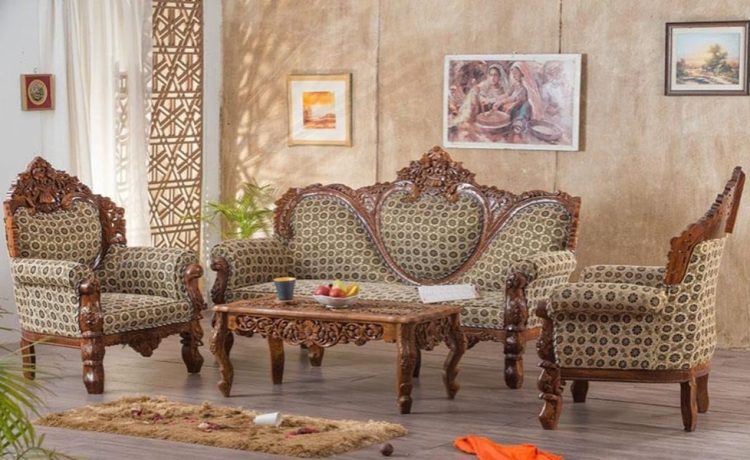
The silhouette of a luxury sofa commands attention in any room. More than just a seat, it is a subtle assertion of taste, comfort, and heritage. But how did this everyday object evolve into a design icon? The story of the luxury sofa is one of innovation, artistry, and changing culture, forever tied to the quest for beauty and comfort at home.
Origins of Luxury Sofas: From Function to Status Symbol
When early civilizations crafted their first divans and settees, comfort was not the primary goal. Ancient Egyptians, Romans, and Greeks used raised benches and stone platforms draped with textiles to signify status, not relaxation. Over time, cushions and woven fabrics crept in, and so began the sofa’s gradual transformation from rigid perch to plush sanctuary.
As centuries passed, upholstery craftsmanship flourished. Artisans developed new ways to pad, stitch, and contour seats, making them not only more comfortable, but also more visually inviting. European courts set the standard during the Renaissance and Baroque periods, commissioning sofas that were as much about intricate carving and gilding as they were about repose.
Cultural influences played an enormous role in shaping sofa styles. French rococo, English chesterfields, and Ottoman divans each showcased how local tastes and materials could redefine this essential household item.
The Golden Age of Sofa Craftsmanship
By the 19th and 20th centuries, sofa-making entered a golden era. Iconic designs emerged, from the deep-buttoned Chesterfield to the sculptural lines of Art Deco settees. Master artisans, often working in small ateliers, left their mark through signature techniques, hand-tied springs, feather-stuffed cushions, and hand-carved frames.
Handcrafting set luxury sofas apart from their mass-produced counterparts. The value was not just in materials, but in the hundreds of hours spent shaping, stitching, and finishing every detail by hand. This attention to detail became the essence of luxury appeal.
Materials That Define Luxury Sofas
Only the finest materials can withstand both time and scrutiny. Premium hardwoods such as beech or kiln-dried maple are favored for their strength and durability in frames. These woods form the backbone of sofas meant to outlast trends and daily life.
Upholstery is the touchpoint of any sofa. Supple leathers, rich velvets, and resilient linens do not just look good, they age gracefully, developing character over decades. Advances in cushioning, like high-resilience foams and down blends, have created a new standard in comfort, making luxury sofas a joy to sink into.
Evolution of Design Trends in Luxury Sofas
Design trends in sofas often mirror broader cultural shifts. The mid-century modern era introduced clean lines and minimalist forms, a reaction to the ornate excesses before it. Contemporary minimalism maintains this ethos, yet today’s sofas often celebrate the flexibility of modular arrangements and playful pops of color.
Global design movements continue to inspire. Japanese and Scandinavian influences bring simplicity and warmth, while Italian ateliers push boundaries with sculptural experimentation. Customization has become a hallmark of luxury, with bespoke creations tailored to personal taste and space.
The Intersection of Technology and Tradition
What happens when tradition meets innovation? Modern manufacturing techniques allow for precise joinery and consistent quality, but the finest sofas still rely on skilled hands for the final touch. Even as mass production proliferates, handcrafted techniques endure for their ability to imbue each piece with character.
Sustainability is now at the core of luxury sofa production. Ethical sourcing of materials, eco-friendly treatments, and responsible manufacturing practices have become expectations, not exceptions. Some brands are exploring smart sofas, integrating features like hidden charging ports or temperature controls, all without compromising on style.
How Luxury Sofas Fit Into Modern Living Spaces
A well-crafted sofa balances beauty with function. Whether anchoring a formal drawing room or lounging in an open-plan loft, its design must complement the space. The key is harmony, scale, color, and shape working together to create an inviting atmosphere.
Styling a luxury sofa is about more than cushions and throws. It is about context. In minimalist settings, a classic form can serve as a focal point. In eclectic interiors, a bold fabric or sculptural silhouette can spark conversation. Ultimately, the right sofa can influence mood, foster connection, and even boost well-being.
For those seeking inspiration, resources such as Avant-Scene luxury sofas offer insight into the evolving landscape of high-end seating, showcasing how tradition and trend can coexist.
The Future of Luxury Sofas: Innovations and Predictions
Looking ahead, expect emerging materials, from recycled textiles to high-tech composites, to shape new generations of luxury sofas. The appetite for personalization will only grow, with clients demanding unique pieces that reflect their lifestyle and values.
As consumer preferences shift toward sustainability and comfort, design houses will adapt, blending thoughtful innovation with timeless appeal.
Caring for Your Luxury Sofa: Preserving Timeless Appeal
A luxury sofa is an investment in longevity. Regular maintenance, gentle cleaning, periodic professional care, and swift attention to spills, can ensure it stays beautiful for decades. For minor repairs or restoration, skilled upholsterers can breathe new life into vintage pieces, preserving both sentimental and financial value.
In the hands of careful owners, a well-crafted luxury sofa can become more than just furniture, it becomes an heirloom, a daily source of comfort, and a testament to the enduring power of design.