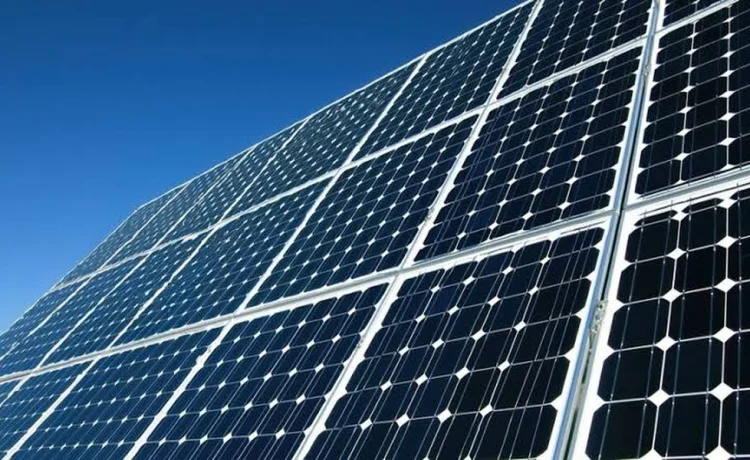
Installing solar panels allows homes, buildings, and factories to generate electricity directly from sunlight. After installation, however, many users wonder when they should measure solar panel current (วัดแอมป์แผงโซลาร์เซลล์) to get a reliable picture of system performance.
Solar panel current changes throughout the day according to sunlight intensity, temperature, weather, shading, panel orientation, and system conditions. Therefore, choosing the right measurement period-and understanding the conditions at that moment-is essential when evaluating whether a solar system is operating normally.
What Does It Mean to Measure Solar Panel Current?
Solar panel current is measured in amperes, or amps (A), and indicates how much electrical current a panel is producing at a particular time.
Solar panel specification sheets commonly show values such as Imp (Current at Maximum Power) and Isc (Short-Circuit Current). Imp represents the current produced near the module’s maximum power point, while Isc is the short-circuit current used mainly as an engineering reference.
Real-world readings may differ from specification values because manufacturers test solar modules under standardized conditions. Field measurements should therefore be evaluated together with sunlight, temperature, and other operating conditions rather than by comparing amp values alone.
What Is the Best Time to Measure Solar Panel Current?
For practical performance checks, approximately 10:00 a.m. to 2:00 p.m. on a clear day is generally a suitable period. During these hours, the sun is typically higher in the sky, allowing solar panels to receive relatively strong and stable sunlight.
However, this does not mean every system will produce its highest current exactly at noon. Geographic location, season, roof direction, panel tilt, surrounding buildings, and weather can all shift the period of peak production.
When performing ameasured solar panel current check, consistency is just as important as timing. Measurements taken under similar weather and operating conditions are more useful for comparing system performance over time.
Why Is Solar Panel Current Often Higher Around Midday?
Solar panels generate electricity when sunlight reaches photovoltaic cells. As solar irradiance increases, current output generally increases as well.
Late morning and early afternoon often provide stronger sunlight than early morning or late afternoon, which is why current readings may be higher during this period.
Still, stronger sunlight does not always mean maximum electrical power. Higher panel temperatures can reduce voltage, affecting total power output even when current remains relatively high. This is why solar performance should not be judged by amperage alone.
What Factors Affect Solar Panel Current Readings?
Several conditions can influence current measurements and explain why readings differ from one day to another.
Solar Irradiance
Clouds, haze, rain, or rapidly changing weather can reduce the amount of sunlight reaching the panels and cause current output to fluctuate.
Partial Shading
Shadows from trees, nearby buildings, antennas, or roof structures can reduce electricity production. Even partial shading may affect multiple modules when they are connected within the same string.
Panel Temperature
Higher temperatures mainly reduce panel voltage and can lower overall power output. As a result, the brightest or hottest part of the day does not necessarily produce the highest power.
Orientation and Tilt
Panel direction and installation angle affect how much sunlight reaches the modules throughout the day. Seasonal changes in the sun’s position can also influence measurements.
Dust and Dirt
Dust, leaves, bird droppings, and other debris may block sunlight from reaching the solar cells. Cleaning and visually inspecting the panel surface can therefore be useful when readings appear lower than expected.
Electrical Components
Cables, connectors, protection devices, inverters, and optimizers can also affect system performance. A low current reading should not immediately be treated as evidence that the solar panel itself is faulty.
How to Get More Reliable Solar Current Measurements
To make measurements more useful, test the system under comparable conditions whenever possible. Choose a clear day with stable sunlight and check that temporary shadows are not covering the panels.
Record key information each time, including:
– Measurement time
– Weather conditions
– Current in amperes
– Voltage
– Ambient or panel temperature
– Inverter output
– Visible shading or dirt
For example, an 8 A reading taken at 11:30 a.m. on a clear day cannot be directly compared with a 6 A reading recorded at 5:00 p.m. under cloudy conditions. The difference may simply reflect changes in available sunlight.
Repeated measurements under similar conditions provide a more meaningful baseline for identifying unusual changes.
Can You Compare Current Directly With the Panel Specification?
Not exactly. Solar panel specification values are measured under standardized test conditions, while rooftop systems operate in changing environments.
Instead of expecting field measurements to match the specification sheet precisely, consider whether the result is reasonable for the conditions at that moment. Comparing similar strings or modules within the same solar array can also help identify abnormal differences.
If one string repeatedly produces significantly lower readings under similar conditions, further inspection may be needed.
Measure Solar Panel Current Safely
Solar PV systems can operate at significant DC voltages, particularly when multiple panels are connected in series. Incorrect testing procedures can create electrical hazards or damage equipment.
Measurements around DC cables, connectors, combiner boxes, or other electrical components should therefore be performed using suitable equipment and proper procedures. Anyone without electrical or photovoltaic system knowledge should have the system inspected by a qualified technician.
The Right Time Is Only Part of an Accurate Solar Check
For most practical inspections, 10:00 a.m. to 2:00 p.m. on a clear day is a useful window to measure solar panel current because sunlight is usually strong and relatively consistent. However, time alone does not determine whether a reading is meaningful.
Solar irradiance, temperature, shading, orientation, panel cleanliness, and electrical components should all be considered together. Recording current alongside voltage, weather conditions, and measurement time provides a more reliable view of solar system performance.
For homeowners and businesses planning a rooftop solar system, Ewave Thai provides consultation, system design, installation, and post-installation support for homes, commercial buildings, and factories, helping ensure that each solar system is designed and installed according to site conditions and actual electricity usage.