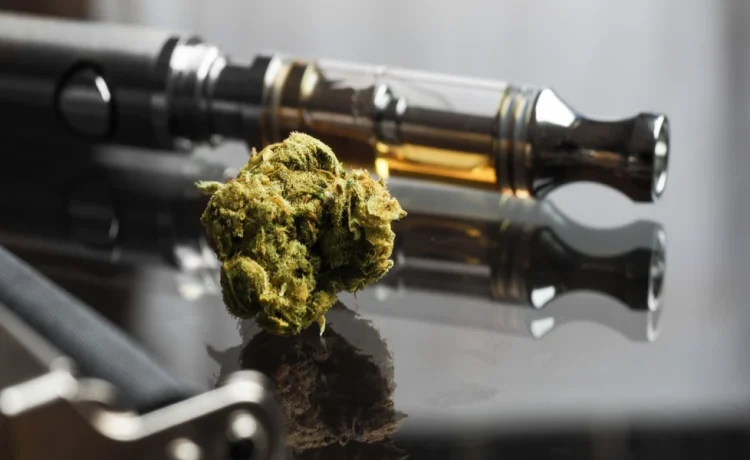
THCA carts handle temperature extremes reliably when the oil viscosity holds within a workable range under both heat and cold, because viscosity shift causes most temperature-related failures long before hardware or seal problems become relevant. Sarasota magazine cartridge performance coverage points to ambient temperature as the variable most users never think about until something goes wrong mid-session.
What actually happens inside a cartridge under temperature stress is worth mentioning. Cold pushes oil viscosity upward past the point where it flows to the heating element at the rate the coil needs to fire cleanly. The result is a dry, scorching draw where the element activates against inadequate oil contact. Heat does the opposite. Oil thins past its functional range, reaches the element faster than it can vaporise in a single activation. It floods the coil surface, producing draws that feel heavy and inconsistent in ways that do not resolve until the oil cools back into its working viscosity window.
Low temperature performance
Low temperatures thicken cartridge oil past the flow rate that ceramic or wick elements need to vaporise cleanly. That viscosity increase is what produces the clogged, resistant draw feel that users in cold environments or cold storage conditions encounter most often. The element is not faulty. The oil cannot reach it fast enough. Cotton wick systems make this worse. Fibres stiffen under sustained cold and combine with thickened oil to create compounded draw resistance that makes the cartridge feel completely blocked rather than just sluggish. Ceramic elements do not stiffen the same way and maintain their heat distribution behaviour through cold conditions, which gives the oil a better chance of warming and flowing once the element activates.
High temperature performance
Heat thins cartridge oil faster than most users realise, and a cartridge that draws perfectly at room temperature can flood its element entirely after sitting in a warm environment for an hour. That flooding is what produces the oversaturated, heavy draws that warm-condition users experience and often misattribute to the oil being of low quality rather than thermally stressed.
- Full-spectrum and live resin oil formulations resist that thinning more reliably than distillate because their broader compound composition provides greater molecular resistance to temperature-driven viscosity change.
- Distillate formulations thin faster under equivalent heat conditions and reach element-flooding viscosity sooner than full-spectrum alternatives.
- Oil stored in direct heat between sessions arrives at the element already past its functional viscosity range before the first draw is even taken.
Keeping cartridges away from warm surfaces and direct light between sessions preserves oil within the viscosity window that produces clean, consistent activation.
Repeated cycling between cold storage and warm use stresses seal materials at the junctions between the chamber body, element base, and mouthpiece in ways that standard seals were never rated to handle across extended use. Those junction points expand under heat and contract under cold, and seals that cannot accommodate repeated cycling in both directions allow oil to migrate into the airpath over time, producing draw quality that deteriorates progressively rather than failing in a single obvious event. Cartridges built for genuine temperature reliability treat seal material selection as a thermal engineering decision rather than a secondary assembly detail.