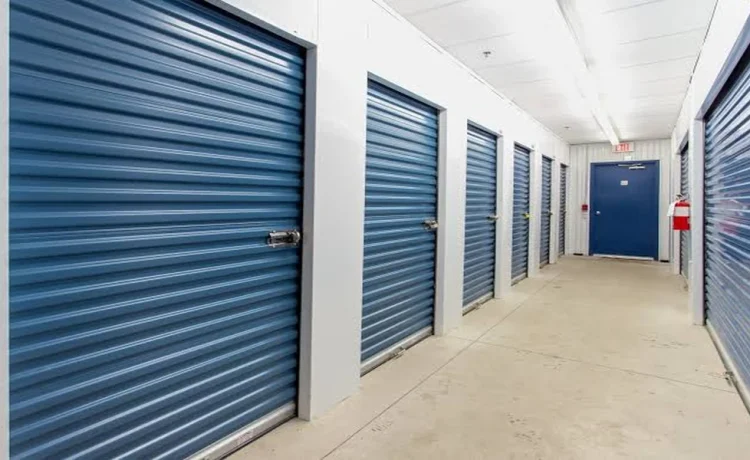
In today’s fast-paced corporate landscape, managing physical space is one of the most critical challenges for growing enterprises. As commercial real estate prices soar in major metropolitan areas, renting a massive office just to keep excess inventory, archived documents, or unused equipment is no longer a financially viable strategy. A cluttered workspace not only severely hinders daily productivity but also drains vital financial resources that could be better invested in growth.
Entrepreneurs are actively seeking smart, flexible alternatives to traditional warehousing. The modern solution that many forward-thinking companies are turning to is a dedicated business storage facility. By outsourcing their spatial needs, companies can maintain a lean, agile, and highly efficient headquarters. Whether you are a newly launched venture trying to keep overhead costs low or an established corporation looking to optimize operations, securing the right space management strategy is essential for long-term sustainability and operational excellence.
1. Fast-Growing E-commerce and Online Retailers
For e-commerce brands, fluctuating inventory levels can quickly overwhelm a home office or a small rented workspace. Having a secure, scalable facility allows online retailers to easily manage stock during peak seasonal sales without committing to long-term warehouse leases. Utilizing a flexible business storage unit gives these merchants the exact amount of space they need to organize their products efficiently. This logistics upgrade ensures faster packing processes, better inventory tracking, and ultimately, a much smoother fulfillment experience for end consumers, all while keeping overhead costs incredibly manageable.
2. Tech Startups and Lean Agencies
Should tech startups utilize external space solutions? The answer is a resounding yes. Startups need to remain agile and avoid tying up their limited funding in expensive commercial real estate. As a new company scales up or transitions to a hybrid work model, they often accumulate unused monitors, ergonomic desks, and promotional materials. Renting an off-site business storage space provides the perfect buffer, allowing founders to seamlessly scale their physical footprint up or down as their team size changes, without being locked into rigid, expensive office contracts.
3. Event Organizers and Marketing Firms
Companies that specialize in event management constantly deal with bulky physical assets. Event organizers need a reliable place to keep exhibition booths, lighting rigs, promotional banners, and seasonal decorations safe from damage. Storing these oversized items in a standard office is both impractical and unprofessional. By leveraging a specialized business storage facility, marketing agencies can safely preserve their expensive event props between gigs. This strategic move guarantees that valuable equipment remains in pristine condition, perfectly organized, and immediately ready for deployment whenever the next big campaign launches.
4. Law Firms and Professional Consulting Services
Despite the rapid shift toward digitalization, many professional services still generate mountains of physical paperwork. Law firms, accounting practices, and medical clinics are legally required to retain sensitive physical documents for several years. Keeping endless rows of filing cabinets on-site consumes expensive premium office square footage. Transferring these critical archives to a climate-controlled business storage unit ensures maximum security, protects confidential client information from environmental damage, and instantly frees up valuable office space that can be transformed into productive meeting rooms or additional employee workstations.
5. Seasonal Businesses and Pop-Up Retailers
Many retail businesses experience drastic shifts in inventory depending on the time of year. Seasonal operators require a temporary home for holiday decorations, summer gear, or pop-up shop fixtures during their off-season. Paying for a permanent warehouse year-round is a massive financial drain for these cyclical models. Opting for a month-to-month business storage plan offers the ultimate financial flexibility, allowing owners to safely stash their goods when demand is low and quickly retrieve them when their peak selling season begins, effectively optimizing their annual profit margins.
6. Interior Design and Renovation Contractors
Construction professionals, interior designers, and renovation contractors constantly juggle tools, raw materials, and large pieces of furniture. Contractors need a secure staging area to receive material deliveries before transporting them to the actual project site. Instead of cluttering a client’s home or keeping expensive tools in an unsecured van, utilizing a dedicated business storage unit provides a highly secure, centralized hub. This logistical advantage minimizes the risk of theft, protects delicate design pieces from weather damage, and dramatically streamlines the entire project management timeline.
In conclusion, optimizing your physical footprint is no longer just an operational afterthought; it is a fundamental pillar of modern corporate strategy. Whether you are a bustling e-commerce retailer dealing with inventory overflow or a lean startup trying to maximize capital, finding the right space management solution is paramount. Relying on expensive office real estate to house inactive assets simply stunts your financial growth and disrupts team focus.
If you want to elevate your operational efficiency and create a truly productive work environment, exploring professional space solutions is the smart next step. For companies looking to seamlessly streamline their physical assets with maximum security and absolute flexibility, you can rely on the premium services at I-Store Go. Discover how easy it is to scale your operations by visiting their official platform to find the perfect business storage plan tailored exactly to your unique corporate requirements today.