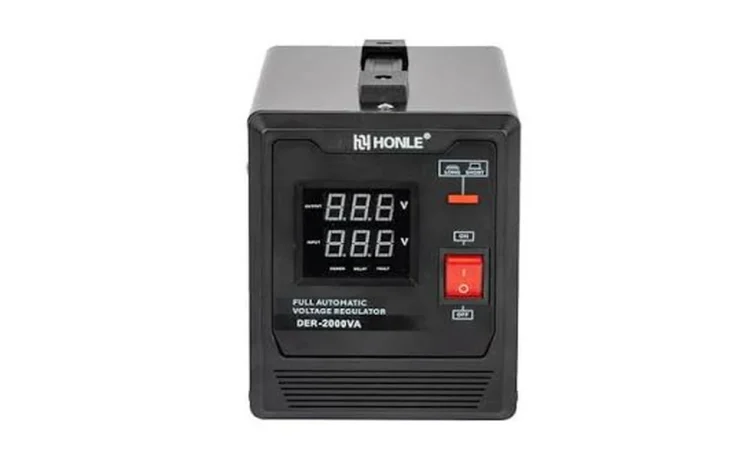
An Automatic Voltage Stabilizer serves as a vital safeguard for sensitive electronics by maintaining steady voltage levels during utility sags, surges, and spikes. Over time, internal components undergo natural wear and tear, often emitting clear warning indicators before complete system failure occurs. Understanding the operational limits of your Automatic Voltage Stabilizer (เครื่อง Stabilizer) and recognizing early signs of failure-especially unusual noises-allows equipment owners to take immediate corrective action, preventing costly hardware damage and potential safety hazards.
10 Critical Signs Your Automatic Voltage Stabilizer Needs Attention
1. Loud Humming or Buzzing Noise
While an automatic voltage stabilizer using transformer technology naturally produces a faint hum due to electromagnetic field alternation, a sudden spike in volume indicates underlying trouble. This symptom typically stems from loose silicon steel laminations in the transformer core, unseated structural bolts, or a load that exceeds rated capacity.
2. Rapid Clicking Sounds
In relay-based systems, occasional clicking is normal as the unit switches taps to adjust voltage levels. However, rapid and continuous clicking indicates severe input voltage fluctuations or a deteriorating control circuit board. When internal sensors misread voltage levels, the unit repeatedly toggles relays without stabilizing output.
3. Electrical Arcing or Hissing
A buzzing or hissing sound accompanied by faint crackling inside the casing signals dangerous electrical arcing. Common causes include loose terminal connections, worn carbon brushes on servo motor systems, or conductive dust buildup. Left unaddressed, arcing degrades internal wiring and increases fire risks.
4. Burning Odors or Smoke
Smelling acrid plastic, burnt wire insulation, or seeing smoke exiting the cooling vents represents an immediate electrical emergency. Internal transformers or circuit components overheat to the point of combustion under extreme thermal strain. Immediate power shutdown is necessary to prevent severe property damage.
5. Extreme Casing Heat
Although power regulation generates operational heat, the outer chassis should never become too hot to touch comfortably. Unusually high temperatures point to thermal dissipation failure, severe system overloading, or failing internal copper windings. Extreme heat accelerates component degradation across the entire system.
6. Fan Noise or Complete Stoppage
Higher-capacity regulators rely on active cooling fans to manage internal temperatures effectively. Worn ball bearings create grinding or wobbling noises, while a completely halted fan causes internal heat to spike rapidly. Thermal protection circuits will eventually shut down the unit to prevent total thermal breakdown.
7. Fluctuating Displays and Flashing LEDs
An erratic digital readout or continuously flashing error lights mean the internal microprocessor can no longer stabilize the output. When the display fluctuates wildly, the unit is failing to supply clean, regulated power, leaving connected devices vulnerable to damaging voltage spikes.
8. Frequent Breaker Trippi ng or Blown Fuses
If the unit trips its circuit breaker immediately upon startup or repeatedly blows safety fuses, an internal short circuit is likely present. Alternatively, connected equipment may be drawing an initial inrush current that exceeds the capacity of the unit, signaling an incorrect load configuration.
9. Inconsistent Output Voltage
The primary duty of a regulator is delivering stable output voltage, typically around 220V. If output readings closely mirror raw grid fluctuations or deviate significantly from standard specs, the regulation mechanism has failed completely. Continuing to run equipment under these conditions risks permanent electronic damage.
10. Power On with No Electricity Output
When status indicators illuminate and the transformer hums, but rear outlets deliver no power, internal protective features have engaged. This usually stems from damaged output relays, burnt contact points, or activated safety cut-offs designed to isolate downstream equipment from dangerous conditions.
Immediate Steps to Take When Your Automatic Voltage Stabilizer Malfunctions
When your automatic voltage stabilizer shows any of these warning signs, taking quick and structured safety measures prevents further equipment damage.
– Disconnect the Power Source: Immediately turn off the main power switch and pull the plug from the wall outlet. For hardwired units connected to distribution boards, switch off the dedicated circuit breaker.
– Unplug Connected Equipment: Remove all appliance plugs from the rear outlets. Isolating your valuable electronics prevents damage from unexpected voltage spikes or total power dropouts.
– Inspect External Conditions: Check the exterior for scorch marks, damaged power cords, or blocked ventilation pathways without opening the chassis.
– Avoid DIY Internal Repairs: Internal capacitors retain high-voltage electrical charges long after the unit is unplugged. Never disassemble the outer casing unless you are a qualified electrician.
– Contact Professional Service Centers: Send the unit to certified technicians who possess proper diagnostic tools and genuine replacement parts, such as carbon brushes, relays, and control boards.
Early detection of unusual noises, thermal spikes, and output fluctuations in an automatic voltage stabilizer is essential for maintaining a safe electrical environment. Following proper shutdown protocols and consulting certified technicians ensures your power protection equipment continues to safeguard valuable electronics effectively.
To safeguard essential equipment and boost operational efficiency, Chuphotic delivers long-trusted power protection solutions tailored for both residential and commercial applications. Their comprehensive lineup encompasses Automatic Voltage Regulators (AVR), Uninterruptible Power Supplies (UPS), industrial batteries, generators, surge protection devices, emergency systems, and renewable energy technologies designed to reinforce overall electrical stability.