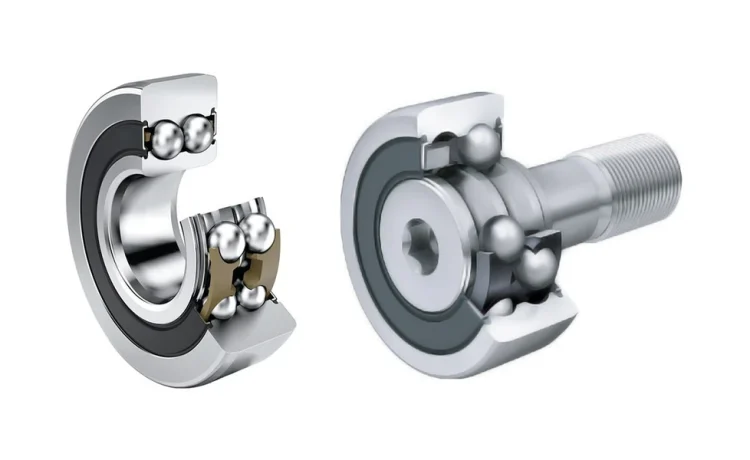
Industrial machinery operates under extreme stress, and its overall reliability depends heavily on the precision of its internal components. Cam followers and specialized bearings play a vital role in ensuring smooth linear and rotary motion. However, even high-quality mechanical components can fail prematurely if they are not installed correctly. A significant number of mechanical failures, increased friction issues, and costly factory downtimes can be traced directly to improper mounting techniques.
Whether upgrading heavy-duty manufacturing equipment or maintaining automated assembly lines, knowing how to correctly handle the KR roller bearing set (known in Thai as “ชุดตลับลูกปืนลูกกลิ้ง KR“) -a specialized product line manufactured by THK, a global leader in motion control technology-is essential. Understanding the most frequent installation errors is a crucial step toward optimizing machine uptime, extending component service life, and protecting industrial investments against mechanical breakdowns.
1. Applying Incorrect Mounting Force: The Danger of Hammering
One of the most destructive habits in machinery maintenance is using brute force during installation. Striking the bearing directly with a steel hammer instantly causes microscopic dents in the raceways, leading to severe vibration and rapid failure. When installing a KR roller bearing set, technicians must always use a specialized mechanical or hydraulic press to apply even, controlled pressure. Utilizing proper pressing tools ensures the component seats perfectly without compromising its internal structural integrity or delicate rolling elements.
2. Neglecting Shaft and Housing Alignment: The Root of Uneven Wear
Even the slightest misalignment between the shaft and the housing creates catastrophic uneven load distribution. When components are forced into misaligned positions, it generates extreme edge loading that drastically reduces the operational lifespan. Before mounting any KR roller bearing set, you must rigorously inspect and measure the mating surfaces for perfect concentricity and parallelism. Using precision dial indicators to verify alignment guarantees optimal load-bearing capacity and prevents premature metal fatigue during high-speed industrial operations.
3. Overlooking Proper Lubrication Procedures: The Friction Trap
Failing to apply the correct amount or type of grease before initial operation is a massive maintenance oversight. Operating dry or under-lubricated components generates immediate, irreversible heat damage and metal-to-metal friction. While a KR roller bearing set often comes pre-lubricated, you must verify the grease compatibility with your specific operating environment, especially in high-temperature applications. Establishing a strict, documented lubrication schedule from day one is critical to maintaining smooth rotation and preventing catastrophic thermal expansion.
4. Working in Contaminated Environments: The Dust Dilemma
Bearings are precision-engineered components that are highly sensitive to microscopic debris. Unpacking and installing these parts in a dusty, dirty workspace introduces grit directly into the rolling elements, acting as an abrasive compound. You should never unseal a KR roller bearing set until the exact moment of installation. Ensuring a meticulously clean, climate-controlled workspace and cleaning all adjacent machine parts thoroughly prevents foreign particle contamination and protects the highly sensitive internal raceways.
5. Ignoring Proper Tightening Torque: The Thread Failure Risk
Applying incorrect torque to the mounting stud is a frequent and highly dangerous error. Under-tightening leads to dangerous component loosening during heavy vibration, while over-tightening permanently distorts the stud and internal geometry. Every KR roller bearing set comes with exact manufacturer-specified torque values that must be strictly followed. Using a calibrated torque wrench rather than estimating by hand ensures optimal clamping force, securing the unit perfectly without risking thread damage or structural deformation.
6. Failing to Inspect Mating Surfaces for Damage: The Hidden Flaw
Mounting new components onto damaged, scored, or excessively worn shafts guarantees an immediate installation failure. Even minor burrs or rust on the housing will prevent the bearing from seating correctly, causing severe runout and operational instability. Before pressing in a new KR roller bearing set, technicians must rigorously clean, polish, and measure the shaft with a micrometer. Verifying that all mating surfaces are perfectly smooth and within specified tolerances is the ultimate trick to flawless mechanical integration.
Industrial efficiency relies on careful attention to detail, especially during machinery assembly and maintenance. By avoiding these six common installation mistakes-ranging from improper mounting force and misalignment to contamination and incorrect torque-facilities can reduce the risk of unexpected breakdowns and production halts. Properly installed components run smoother, last longer, and deliver reliable performance across automated systems.
For manufacturers looking to source authentic motion control parts, authorized distributor I.N.B. Enterprise provides high-quality industrial components, technical data, and application support. Partnering with a knowledgeable supplier helps ensure your facility receives genuine THK products engineered to support machinery efficiency and long-term operational goals.