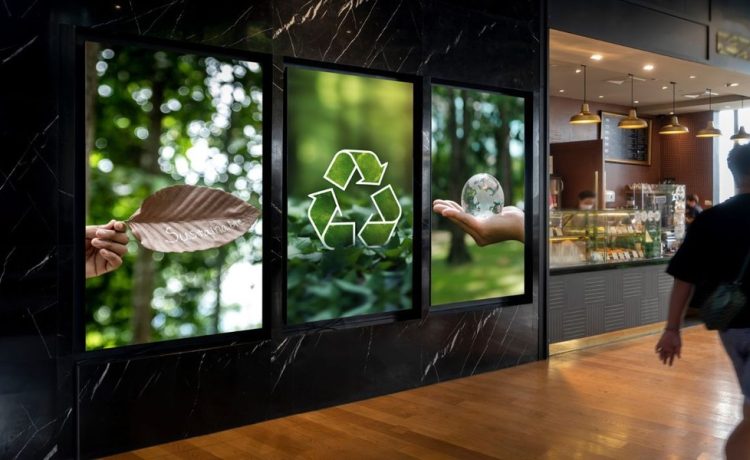
In city centers and commercial districts, signage does more than guide our way. It shapes first impressions, conveys brand identity, and, increasingly, carries a hidden environmental footprint that few businesses consider at first glance.
The Growing Importance of Durable Signage in Environmental Sustainability
Visual communication in public and private spaces is inescapable. Every sign, from a sleek business logo to a detailed wayfinding system, is a small construction project, one that involves choices with long-term ecological consequences. When a business opts for a sign, it also makes a statement about what kind of future it supports.
Understanding the Role of Signage in Commercial Spaces
Signage serves as a silent ambassador for countless businesses. Custom designs mark entrances, guide visitors, and reinforce branding around the clock. Beyond aesthetics, however, the practical durability of these signs dictates how often they will need to be replaced and how much waste they generate during their lifecycle.
Why Material Choice Matters for Environmental Impact
The longer a sign lasts, the less frequently it needs to be remade, shipped, or replaced. This makes material selection pivotal. Choose wrongly, and you multiply resource extraction, transport emissions, and landfill waste. Select wisely, and your signage becomes a sustainable investment that benefits both business and planet.
Case Study: Orthografica’s Approach to Sustainable Signage
Montreal-based Orthografica has built its reputation by blending high-end customization with a strong commitment to environmental responsibility. Their services de signalisation commerciale Orthografica showcase how eco-conscious choices can be seamlessly infused into business branding.
Customization Meets Eco-Friendly Material Selection
Orthografica’s clients can choose from aluminum, stainless steel, bronze, brass, copper, acrylic, vinyl, and other materials. The company emphasizes metals that are lead and mercury-free, often incorporating high percentages of recycled content. This careful sourcing helps reduce the initial environmental toll of each signage project.
Manufacturing Process Highlights: Pollution Control and Waste Management
The production phase is where significant environmental impact can occur. Orthografica employs advanced pollution control techniques, limits water and air pollution, and ensures that solvent waste is captured and recycled. All offcuts and scrap materials from their manufacturing process are directed to recycling streams, keeping unnecessary debris out of landfills.
Real-World Impact: Longevity and Lifetime Warranty Benefits
Durability is more than a selling point, it is a sustainability advantage. Orthografica’s products come with a lifetime warranty, ensuring signs remain in use for years and reducing the need for frequent replacement. Simple care, like periodic cleaning to counteract pollution buildup, further extends the life of each sign.
Comparing Common Durable Signage Materials and Their Environmental Footprints
The choice between metals, plastics, and composites affects both performance and environmental cost.
Metals: Aluminum, Stainless Steel, Bronze, Brass, Copper
Metals such as aluminum and stainless steel are prized for their resilience and recyclability. While their initial extraction and processing are energy-intensive, their ability to be recycled repeatedly without loss of quality offsets this over time. Brass, bronze, and copper offer similar advantages when sourced responsibly.
Acrylic and Vinyl: Benefits and Environmental Concerns
Acrylic and vinyl are favored for their versatility and vivid finish options. However, these materials are derived from petrochemicals and present challenges in end-of-life disposal. Unless recycled or repurposed, they contribute to plastic pollution, making their use less sustainable if durability is not prioritized.
Recycled Content and Lead/Mercury-Free Material Advantages
Choosing recycled metals and non-toxic options brings significant benefits. Not only does it lower the demand for virgin resources, but it also ensures that signage materials do not introduce harmful substances into the environment during use or disposal.
Installation and Maintenance: Extending the Life Cycle of Signage
Versatility in Installation Surfaces and Its Environmental Implications
The ability to mount signage on diverse surfaces, brick, wood, concrete, glass, means fewer structural changes and less waste. Flexible installation methods also extend sign utility across relocations or remodels.
Best Practices for Signage Cleaning to Reduce Environmental Wear
Regular cleaning, ideally every two months, helps prevent lasting damage from airborne pollutants. This simple maintenance step can dramatically buffer a sign against early degradation, preserving both appearance and function.
How Proper Maintenance Reduces Waste and Replacement Frequency
When signage outlasts its expected lifespan due to proper care, businesses avoid recurring production, shipping, and disposal cycles. This not only saves money but also reduces cumulative environmental impact.
Transportation and Distribution: Minimizing the Carbon Footprint
Shipping custom signage worldwide introduces unavoidable emissions, but thoughtful logistics and packaging can soften the blow.
Shipping from Montreal to Global Markets: Challenges and Solutions
International distribution requires coordination to minimize unnecessary transit steps, choosing efficient routes and consolidating shipments wherever possible.
Packaging Innovations to Reduce Waste
Eco-friendly packaging and protection materials mitigate the environmental cost of transport. Reusable or recyclable packaging further lessens the burden.
Future Trends in Eco-Friendly Signage Materials and Technologies
Emerging Sustainable Materials in Signage Production
Innovations such as plant-based acrylics, biodegradable composites, and advanced recycled alloys are making their way into the signage industry, promising lower footprints and easier end-of-life management.
Innovations in Manufacturing for Reduced Environmental Impact
Digital fabrication, water-based inks, and closed-loop material recovery systems are transforming how signage is made, steadily driving down resource use and emissions.
Conclusion: Balancing Durability, Customization, and Environmental Responsibility
The path to sustainable signage is clear: invest in materials and processes that stand the test of time, customize thoughtfully, and maintain with care. The example set by Orthografica highlights how environmental stewardship and outstanding design can co-exist. If more businesses follow suit, prioritizing solutions like services de signalisation commerciale Orthografica, the impact will be lasting, for brands and for the environment.