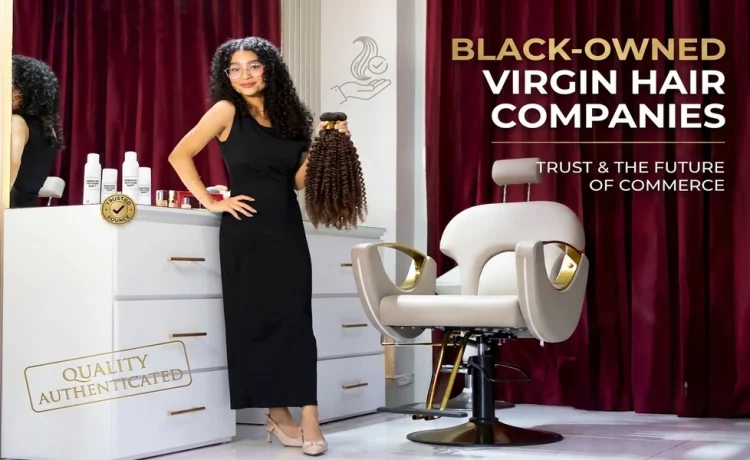
Black-owned virgin hair brands are playing a bigger role in the beauty industry because the modern hair customer is more informed, more selective, and more vocal about what she expects from premium extensions. Today, shoppers are no longer buying hair only because it is long, shiny, or labeled “virgin.” They want proof of quality, realistic texture matching, honest product education, and a brand experience that respects the real beauty needs of Black women. This shift has turned textured hair commerce into a serious business conversation. Brands that understand kinky, curly, coily, relaxed, silk-pressed, and blowout textures are not just selling bundles; they are building trust, creating loyalty, and helping shape the future of the luxury hair-extension market.
Why Black-Owned Hair Brands Are Gaining Business Influence
For women with natural, textured, relaxed, or silk-pressed hair, shopping for extensions is deeply personal because the hair must blend, move, and feel believable. This is one reason many customers are paying closer attention to theBest Black Owned Virgin Hair Companies when searching for quality hair that understands real Black hair textures and styling needs.
Black-owned hair companies often bring cultural understanding into product development in a way that generic beauty suppliers may overlook. They know that curl definition, density, shrinkage, luster, and texture accuracy matter just as much as length. A bundle that looks beautiful online but fails to blend in real life can quickly damage customer trust. That is why successful brands are investing more in education, clear descriptions, real product images, and customer support that helps buyers make confident decisions.
From a business perspective, this creates a strong competitive advantage. When customers feel seen and understood, they are more likely to return, recommend the brand, and become part of a loyal beauty community. In a market where many companies sell similar-looking products, trust and representation can become the difference between a one-time sale and long-term brand growth.
Consumer Trust Is the New Currency in Virgin Hair Commerce
The virgin hair market has always had a trust problem. Many shoppers have purchased hair advertised as premium or virgin, only to experience tangling, shedding, matting, dryness, or texture changes after washing. These experiences make customers more cautious and more likely to research brands before spending money. For Black-owned hair companies, this challenge also creates opportunity.
Trust is built when a brand is honest about what the hair can do, how it should be cared for, and what type of wearer it best serves. A customer with thick natural curls should not be guided toward a texture that will not blend well. Someone with relaxed or silk-pressed hair may need a different finish than someone wearing a fuller coily style. The more accurate the recommendation, the stronger the customer relationship becomes.
Brands can build this trust by focusing on practical details such as:
- Clear texture categories and realistic product photos
- Honest explanations of maintenance requirements
- Transparent shipping, return, and exchange policies
- Customer service that understands textured hair concerns
- Consistent quality control before products reach buyers
In today’s beauty economy, customers do not simply want to be sold to. They want to be educated. A brand that teaches women how to care for their extensions, choose the right texture, and protect their natural hair earns more than a sale; it earns credibility.
The Shift Toward Texture-Specific Hair Commerce
Textured hair commerce is moving away from the old model of promoting mostly straight, body wave, or loose wave bundles as the default standard of beauty. Black women are now looking for hair extensions that reflect the full range of their styling lives, from natural curls and defined coils to stretched blowouts, soft kinky textures, relaxed finishes, and silk-pressed looks. For customers with fuller curls who want realistic volume and blend, finding theBest Kinky Curly Human Hair Bundle becomes less about trend-chasing and more about choosing hair that performs naturally.
This change is important because texture-specific commerce allows premium brands to serve customers with more precision. Instead of offering one broad “curly” category, stronger companies are separating textures by curl pattern, density, finish, and styling purpose. This makes the shopping experience easier and reduces the risk of customers buying hair that does not match their expectations.
Brands like ONYC Hair and other premium Black-owned companies can stand out by treating texture as a business specialty rather than an afterthought. This includes offering products for women who wear leave-outs, sew-ins, wigs, clip-ins, closures, ponytails, and protective styles. The more a company understands how Black women actually style their hair, the more relevant its product line becomes.
How E-Commerce, Education, and Loyalty Will Shape the Future
The future of textured hair commerce will be strongly influenced by online shopping. Customers want to compare textures, read reviews, view photos, watch videos, and understand maintenance before they buy. This means hair companies must treat their websites as more than product catalogs. A strong e-commerce platform should function like a beauty guide, helping customers choose the right texture and care for it properly after purchase.
Education will also become a major business asset. Blog posts, styling videos, care guides, FAQs, email support, and social media tutorials can help reduce confusion and build buyer confidence. When a company explains how to wash, condition, detangle, install, and maintain its hair, customers feel more prepared. That leads to better product experiences, fewer complaints, and stronger loyalty.
Brand loyalty in this space is powerful because hair is not a casual purchase. Many customers are preparing for work, vacations, weddings, photoshoots, protective styling seasons, or major life events. When a brand consistently delivers quality, customers remember. They also share their experience with friends, stylists, and online communities, creating organic growth that paid ads alone cannot replace.
The Business Case in Summary
Black-owned virgin hair companies have a major opportunity to lead the next stage of textured hair commerce by focusing on trust, quality, education, and representation. The brands that will grow are the ones that understand that Black women want more than attractive product photos. They want hair that blends, lasts, feels premium, and comes from a company that respects their beauty standards.
For business owners, the lesson is clear: the future belongs to brands that combine cultural understanding with strong quality control and smart digital commerce. Premium textured hair is not just a beauty category; it is part of a larger movement in the Black beauty economy. Companies that build honest relationships, offer texture-specific solutions, and support customers beyond checkout will be better positioned for long-term success in the luxury hair-extension market.